
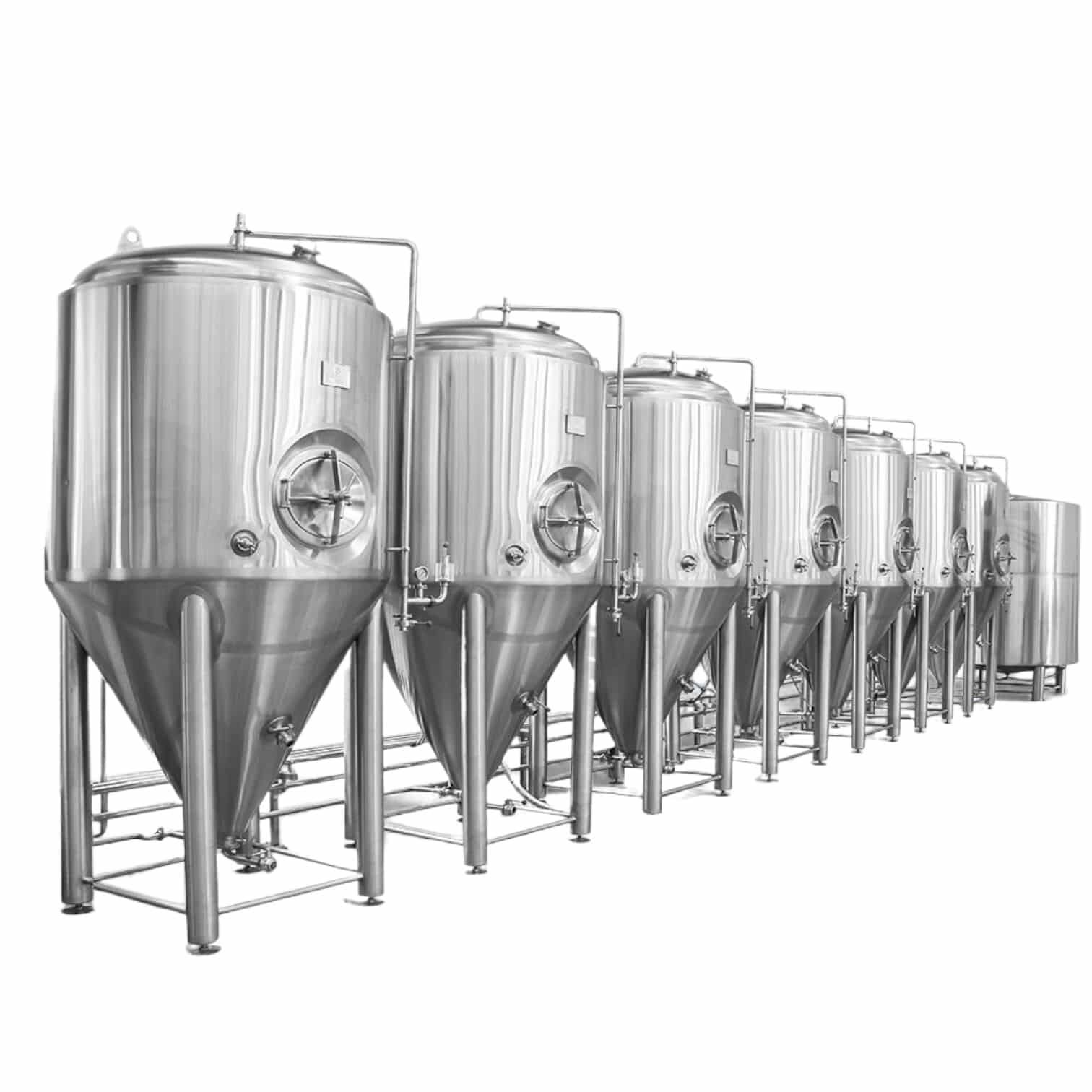
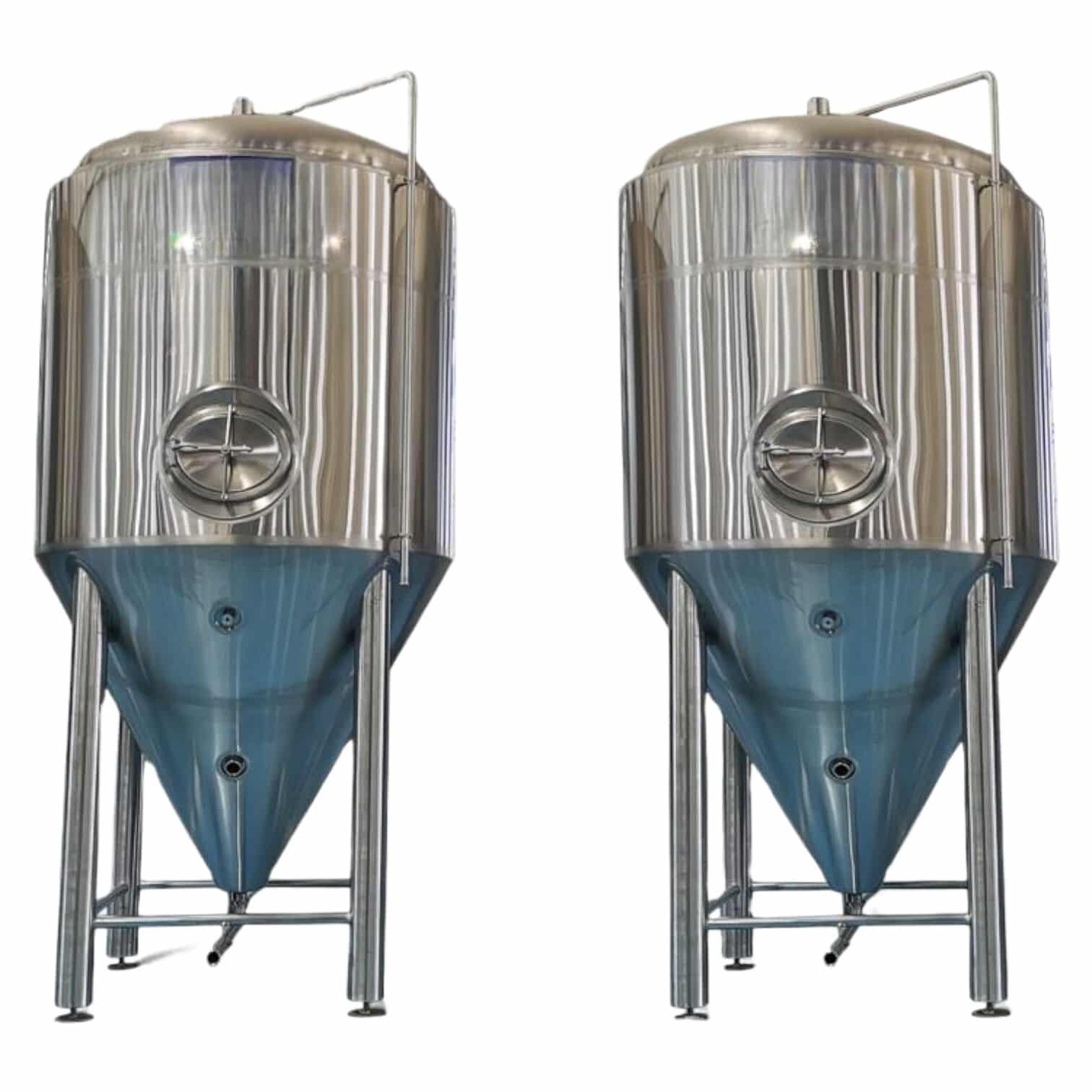
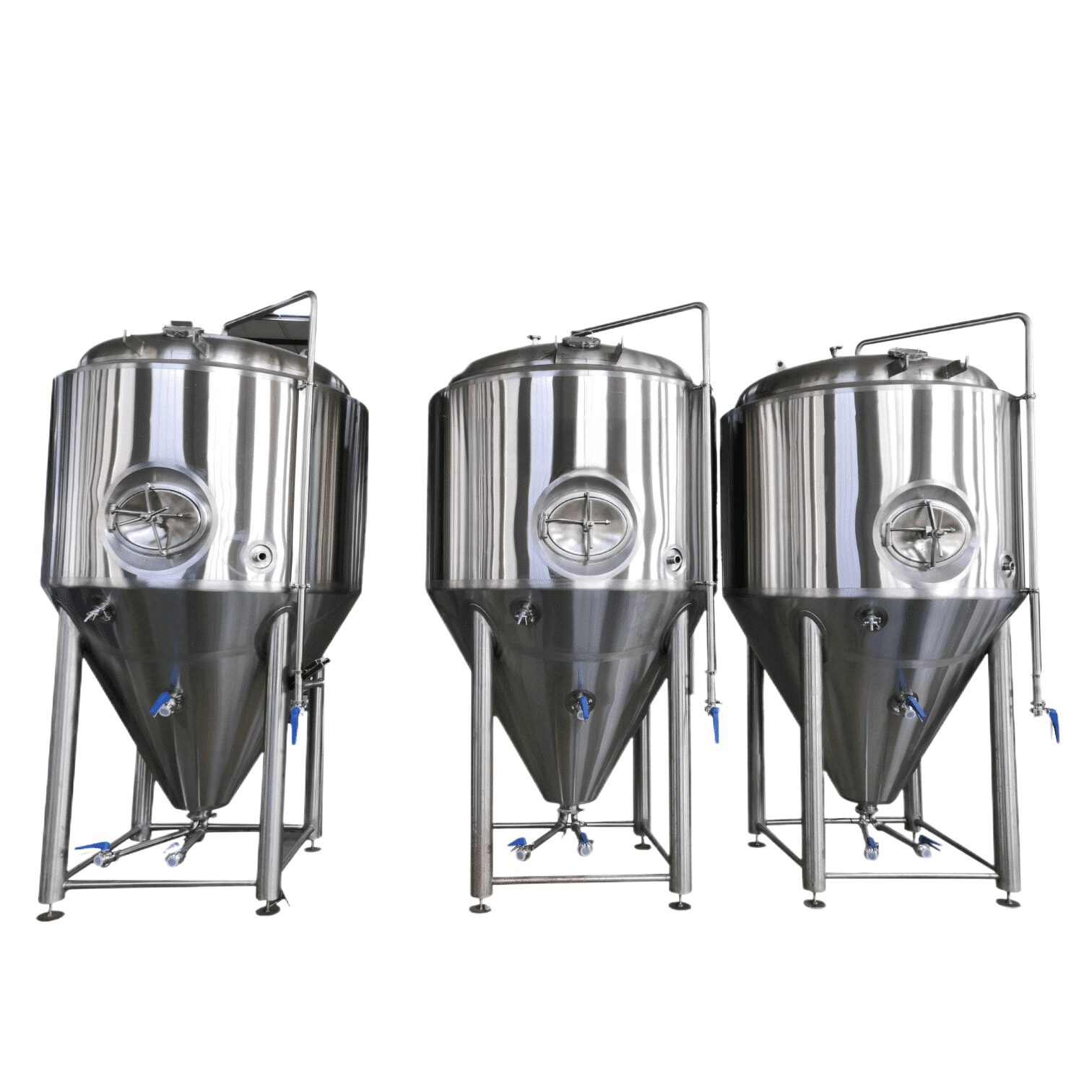
Advantages of Stainless-Steel Conical Fermenters
When people ferment food or drinks, small details like temperature and oxygen levels can change a good batch into a bad one.
Better Clean-Up and Safety
The biggest perk of a stainless-steel conical fermenter has got to be how clean it stays. Unlike plastic, the smooth, shiny steel doesn’t soak up tiny scratches or pores where germs can hide. That means every batch, whether it’s crisp ale or sweet wine, starts in mint condition and comes out tasting exactly the way the brewer hoped it would.
Easy Yeast Harvest and Reuse
Because the tank is shaped like a cone, dead yeast and leftover bits slide neatly down to a single point. Pull the valve, collect the sludge, and you’ve got fresh starter material for the next brew with almost no effort. This not only cuts waste but also keeps favorite yeast strains healthy and ready to go, so every new batch stays consistent.
Pinpoint Fermentation Control
Modern models usually come loaded with extras like built-in heaters, CIP jets, and even spinning racking arms. These features let brewers fine-tune temperature, pressure, and yeast movement the whole way through fermentation. That level of control translates directly to cleaner flavors, brighter colors, and aromas that pop the moment a drink hits the nose.
Durability and Longevity
Stainless steel simply doesn’t break down the way plastic does. It laughs at heat, cold, and the pressure from eager bubbles, so a well-cared-for conical fermenter can keep on pouring great results for many years. Because of this toughness, small craft shops and even bigger brewing houses see it as money well spent.
Application Scenarios for Stainless-Steel Conical Fermenters
Home Brewing and Small-Scale Operations
For weekend brewers or tiny microbreweries, the stainless-steel conical feels like a secret weapon. Its snug footprint and smart design let folks make top-shelf fermentations even in cramped corners, yet it gives the steady control that the big plants rely on. Be it beer, wine, or kombucha, the fermenter locks in the clean, happy conditions every batch craves.
Commercial Breweries and Large-Scale Production
In bustling commercial breweries, the same conical helps keep the wheels turning faster. Doing both primary and secondary fermentation in one tank trims countless hours, fewer hands on deck, and a lot of floor space. Models reaching up to 300 HL easily handle megabatch orders, so the brewery can move big volumes while still serving the crisp quality customers expect.
Specialty Fermentation (Wine, Kombucha, Cider)
A good stainless-steel conical fermenter isn’t just for beer—it’s handy for wine, kombucha, and cider, too. The unit keeps the temperature steady and lets you adjust the pressure, so you can dial in the flavor, bubbles, and shine you want. That same control helps you meet the changing needs of whatever yeast or bacteria you’re working with, whether it’s a bubbly wild strain or a mellow wine variety.
Why Choose Stainless Steel for Fermentation?
Brewers pick stainless steel because it’s tough, clean, and reliable. Its natural resistance to rust means you won’t have to replace it after a few seasons of heavy use. The thick walls pull heat away quickly, so a simple jacket or heating pad can keep every batch right on target—huge for yeast that likes its room temperature just so.
Plus, stainless-steel stays neutral. It won’t react with the acids or alcohol your project makes, so the fruit aroma, sharpness, and body you intended show up in the final pour instead of getting ruined.
Common Features of Stainless-Steel Conical Fermenters
Stainless-steel conical fermenters come loaded with smart features that make brewing smoother and more reliable:
- Heavy-Duty 304/316 Food-Grade Steel: Stays rust-free, stays clean, and lasts for years.
- Double-Wall Dimple-Jacket Cooling: Chills the fermenter fast so yeasts stay happy.
- 60-Degree Cone Bottom: Lets yeast and gunk slide out with almost no effort.
- Sanitary Tri-Clamp Sample Valve: Grab a taste without letting bad germs inside.
- Rotating Racking Arm: Pulls finished beer away from the sludge without a mess.
- Built-In CIP Spray Ball: Clean the whole tank in minutes; no need to take anything apart.
- Pressure-Relief Valve: Stops over-pressure headaches by venting safely.
- Thermowell with PT100 Probe: Read temperature right where it counts, all the time.
Extras like a liquid-level gauge, carbonation stone, spunding valve, and separate blow-off tube let you tweak the system to fit your brew style.
Grab It Today & Common Questions
If you take brewing seriously, a stainless steel conical fermenter belongs in your kit. Whether you are a beginner or upgrading an old fermenter, its smooth steel shape helps you brew faster, cleaner, and with way fewer headaches. Treat yourself and your style—now is the time to level up your fermenting game!
Common Questions:
- Can I use a stainless-steel conical fermenter for both beer and wine?
Absolutely! The steel and shape work great for beer, wine, and even trendy drinks like kombucha. - How do I clean a Stainless Steel Conical Fermenter?
Its built-in CIP setup turns cleanup into a quick chore. Just follow the steps in the manual, and you are done. - What size fermenter do I need?
That depends on how much you plan to brew. Homebrewers usually pick the smaller ones (1 HL to 10 HL); pro shops go bigger (50 HL to 300 HL). - How do I control the temperature during fermentation?
The unit has a cool jacket, and you can add sensors, so keeping the brew at the right temp is a breeze.